
From the company
Song: A Song About a Song
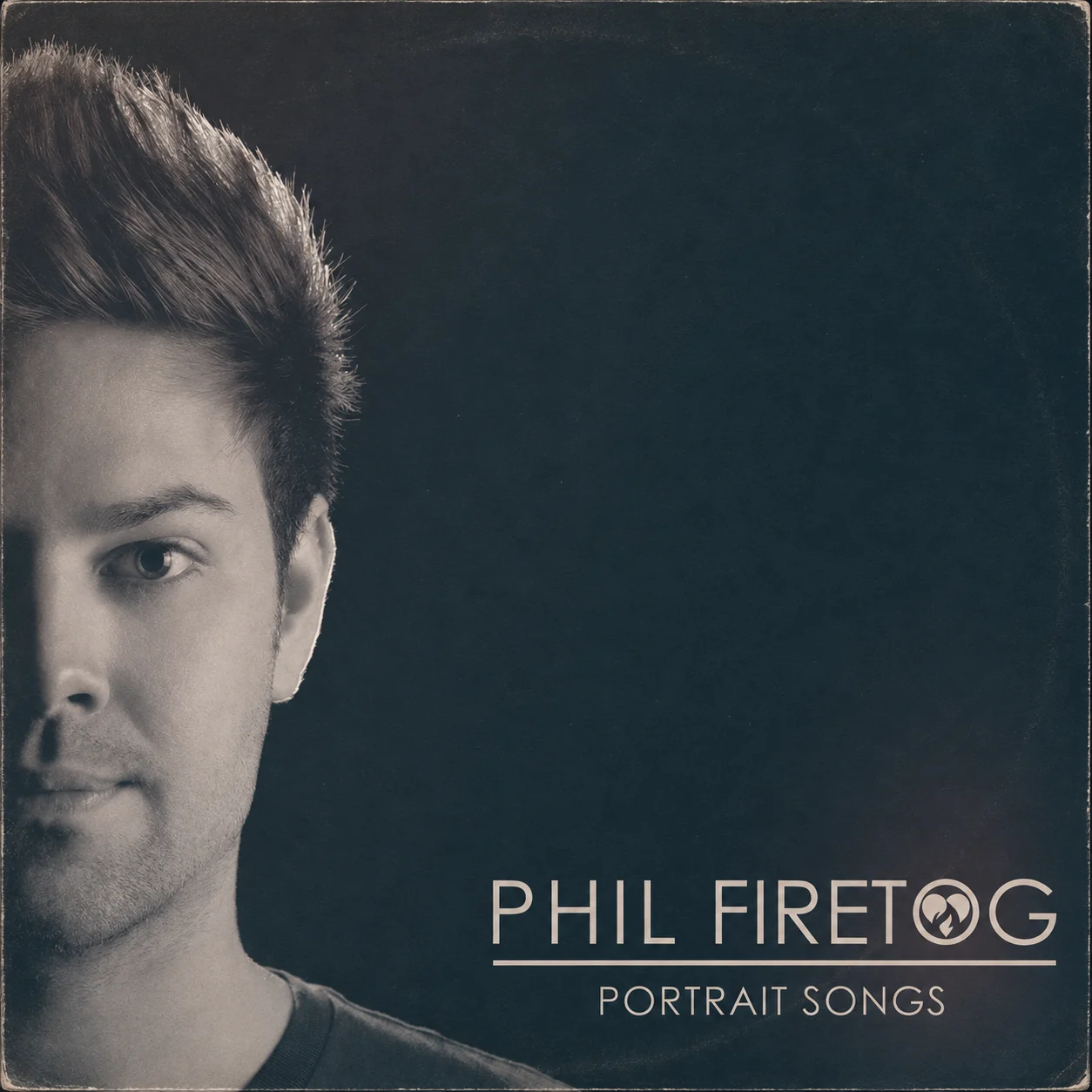
The Story Behind the Music — Portrait Songs
What if a song could talk to you?
What if it could remember you?
What if it knew all the little things about your life, the people you’ve loved, the moments you’ve shared, and the memories you sometimes wish you could experience again?
And what if that song wasn’t just something you listened to?
What if that song was me?
That’s really where the idea behind “Song” began.
When I started writing it, I wanted to try something different. A lot of my songwriting comes from personal experiences, particularly relationships and the people who have influenced my life. But this time, I wanted to approach things from another angle.
I wanted to write about something that wasn’t necessarily a person.
Something inanimate.
And then give it a personality, a voice, and a life of its own.
Eventually, I landed on an idea that was almost ridiculously simple.
Why not write a song about a song?
And what started as a songwriting experiment became something much more personal.
What If I Were a Melody?
The song opens with the idea of becoming a melody inside someone’s head.
I loved that concept because music has this incredible ability to follow us through our lives.
You can hear a song you haven’t listened to in fifteen years, and suddenly you’re somewhere else.
You’re remembering a person, a place, a particular night, or a version of yourself that you haven’t thought about in ages.
Sometimes all it takes is a few notes.
And suddenly, there you are.
I wanted to explore what would happen if I could become that melody.
If I could exist inside someone’s memories, even when I wasn’t physically part of their life anymore.
Would they think about me when they heard it?
Would they remember the good times?
Would they want to play it again?
And maybe, just maybe, would they miss me?
But here’s what makes the song interesting to me.
Those questions don’t necessarily have to be about a romantic relationship.
They can literally be about the music itself.
A song can become something familiar. Something you return to. Something you know by heart.
You know every word before it’s sung.
You anticipate your favorite parts.
And sometimes you play it again simply because you want to experience the feeling one more time.
That’s the relationship I wanted to explore between music and the person listening to it.
Finding the Words in the Music
When I write songs, the music often comes first.
I’ll have a chord progression, a rhythm, or a melody that I’m working with, and I’ll start singing over it before I necessarily know what I’m trying to say.
A lot of the time, I’m not even singing actual words.
I’m making sounds.
Vowels, syllables, little fragments of phrases.
I’m following the melody and allowing the sounds to fall into place.
And eventually, something starts to make sense.
A word appears.
A line sticks.
And suddenly, I have something to build around.
That’s pretty much how “Song” developed.
I already had the music, and once the idea of writing a song about a song came into focus, the lyrics started arriving naturally.
The melody, the words, and the personality of the song all seemed to develop together.
I wasn’t trying to force some complicated concept into the music.
I was following an idea that made sense to me and seeing where it would go.
And as I continued writing, something interesting happened.
Although I hadn’t originally set out to write about a particular person, someone eventually came to mind.
The song began taking on another meaning.
But I never wanted to lose the original concept.
Because the beauty of it was that both interpretations worked.
A Little Confidence, a Little Swagger
There’s a playful confidence running through “Song.”
Particularly in the idea that nobody else can make someone move or feel quite the way I can.
On one level, that’s simply the confidence of a song speaking to its listener.
It’s saying, remember how I made you feel?
Remember how you danced?
Remember how much fun we had?
You know you want to hear me again.
But there’s obviously another interpretation.
There’s something flirtatious about it.
A little sensuality.
A little swagger.
And perhaps a little bit of the confidence I was trying to find in myself at that point in my life.
I was working through different feelings about relationships, attraction, and intimacy, and some of that naturally found its way into the songwriting.
But I didn’t want the lyrics to become too literal.
The suggestion was always more interesting to me than spelling everything out.
When I sing about making someone shake their hips, that can be about the rhythm of the music.
It can be about dancing.
Or it can carry a completely different, more intimate meaning.
And that’s intentional.
I like writing lyrics that allow those different interpretations to exist at the same time.
You can listen to “Song” and hear something fun, lighthearted, and playful.
Or you can listen a little more closely and find something much more personal underneath.
Neither interpretation is necessarily wrong.
Playing Back the Past
One of the ideas I kept returning to while writing was the relationship between music and memory.
The song talks about turning back time and returning to the place where someone first fell in love.
And I think that’s one of the most extraordinary things music can do.
It doesn’t actually change the past.
But sometimes it feels like it can bring you right back into it.
You can remember what it felt like to fall in love with someone.
You can remember the excitement of a new relationship, the intimacy, the anticipation, and the moments that made that person special to you.
And a song can become the soundtrack to all of it.
That’s where the double meaning becomes particularly important.
Because when I’m talking about someone knowing every word or finding their favorite parts, I could be describing someone listening to a familiar song.
But I could just as easily be describing a relationship.
The moments you loved.
The memories you replay.
The things you wish you could experience again.
And maybe even the things you’d do differently if you had the chance.
It’s almost as though the relationship itself becomes a piece of music.
Something with a beginning, a progression, memorable moments, and eventually an ending.
But even after it’s over, you can still play it back in your mind.
A Song for Whoever Is Listening
Something I find particularly interesting about “Song” is that its meaning hasn’t stayed attached to the person I was thinking about when I wrote it.
Even today, when I perform it, I might be thinking about an entirely different person.
A different relationship.
A different experience.
Sometimes the song brings back someone I haven’t thought about in years.
And sometimes I think about the person listening.
Because there’s an interesting relationship between a songwriter and an audience.
When you put music into the world, you never really know what it means to the people who hear it.
Someone could be listening to a song I wrote about a particular experience and connecting it to something completely different in their own life.
They might associate it with someone they love.
Someone they’ve lost.
Or a moment they wish they could revisit.
And suddenly, the song isn’t just mine anymore.
It’s theirs, too.
I think that’s one of the things I love most about songwriting.
You can create something from your own experiences, but once someone else hears it, they’re free to make it part of their own story.
And with “Song,” that idea feels especially appropriate.
Because the song is almost having a conversation with whoever happens to be listening.
Do you remember me?
Do you know my words?
Do you want to hear me again?
And perhaps, underneath all that, there’s another question.
Did I mean as much to you as you meant to me?
The Portrait Without a Single Face
When I think about how “Song” fits into Portrait Songs, I find it particularly interesting because it doesn’t necessarily represent one specific person.
Most of the album grew from people and relationships that left a lasting impression on me.
And although someone did come to mind while I was writing “Song,” I never wanted to limit it to that individual.
Instead, it became something that could represent several different people.
Several different relationships.
And even the relationship between an artist and the music itself.
In that sense, it’s a portrait that doesn’t necessarily have one face.
Its subject changes depending on who’s listening, or even who’s singing.
And I love that.
Because ultimately, music is about connection.
It’s about the experiences we share, the feelings we remember, and the strange ability of a melody to make something from the past feel present again.
I started writing “Song” simply because I thought it would be interesting to give a song its own personality.
But somewhere along the way, it became a reflection of the relationships I’d experienced, the confidence I was discovering, and the memories I continued to carry with me.
And the best part is that none of those meanings has to replace the others.
It can be a love song.
It can be a song about desire.
It can be a song about remembering someone.
Or it can simply be a song about a song.
And maybe that’s the whole point.
Sometimes a song doesn’t need to tell you exactly what it’s about.
Sometimes it just needs to make you feel something.
And if you’re still thinking about it after the music stops, maybe it’s already done its job.
You can read the lyrics to “Song” and listen to the recording through Portrait Songs.