
From the company
Worth It: The Joke That Became a Song
Sometimes a song begins with a feeling.
Sometimes it begins with a melody.
And sometimes you find yourself driving around, singing something that makes you laugh because you realize just how many different directions you could take it.
“Worth It” was one of those songs.
I remember driving and working through the idea that became the chorus.
It wasn’t necessarily some carefully planned statement about love or relationships.
I was playing with words, following the rhythm of the music, and thinking about how strange it is that two people can find themselves in a situation neither of them necessarily expected.
How did we get here?
What did I do?
What did I say?
And, more importantly, was any of it worth it?
Desire and Consequences
I’ve always enjoyed writing lyrics that mean more than one thing.
Sometimes the meaning changes depending on how you hear a particular word.
Sometimes it changes depending on your own experiences.
And sometimes I deliberately write something that sounds serious on the surface but has a more playful, suggestive meaning underneath.
That’s certainly part of “Worth It.”
The song uses imagery about triggers, bullets, fire, and temptation.
I wasn’t trying to write a literal story about violence.
I liked the metaphor of making a decision that you know could have consequences.
There’s a moment when you’re attracted to something, or someone, and you recognize that pursuing it might not be the smartest decision you’ve ever made.
But the temptation is there.
And eventually you make a choice.
You pull the trigger, figuratively speaking.
Then you get to find out what happens.
The Pleasure of Wordplay
One of the things I enjoyed about the chorus was how conversational it felt.
The words came naturally while I was driving, and I could hear how they fit together rhythmically.
There was also a deliberately sexual undertone in the phrasing.
I liked how an apparently ordinary sequence of words could suggest something much more provocative without having to explain it.
That’s part of the fun of writing.
You don’t always need to spell everything out.
You can let a lyric operate on several levels and allow the listener to decide which one they hear.
And sometimes the interpretation that makes someone laugh is just as valid as the interpretation that makes them think.
Was It Actually Worth It?
The central question is deceptively simple.
Was it worth it?
I think we’ve all asked ourselves that at some point.
You make a decision because it feels right in the moment.
Maybe you’re driven by attraction, excitement, curiosity, or something you haven’t quite figured out yet.
Then, once the experience is over, you start evaluating it.
Would you do it again?
Would you change anything?
Did the excitement justify everything that followed?
But here’s where I find the question interesting.
Your answer might change.
Something can feel like a terrible decision immediately afterward and become a memory you appreciate years later.
Or something that seemed wonderful at the time might eventually look very different.
That’s why I liked the contradictions in the song.
Regret and satisfaction aren’t always mutually exclusive.
Sometimes we feel both.
Reloading the Chamber
The recurring trigger imagery also creates a sense of repetition.
We make a choice.
We experience the consequences.
We question whether it was worth it.
And then, somehow, we find ourselves considering doing it all over again.
There’s something almost comical about that.
We like to believe that experience makes us wiser.
And sometimes it does.
But desire has an incredible ability to convince us that the next time might be different.
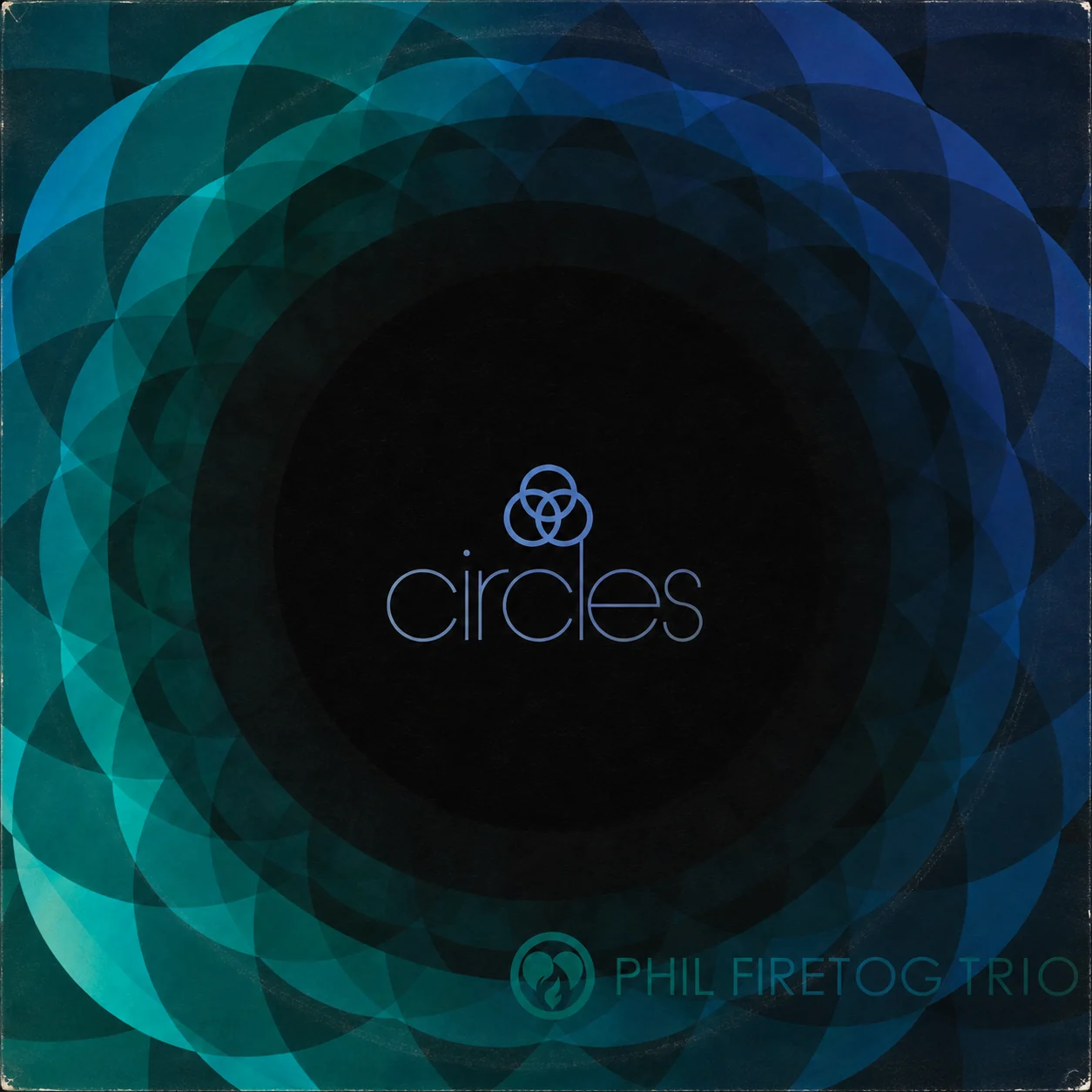
That connects “Worth It” to the broader themes of Circles.
We recognize patterns in ourselves and still repeat them.
Not always because we’re foolish, but because we’re human.
We want to experience things.
We want excitement.
We want connection.
And occasionally we’re willing to accept the consequences that come with them.
Looking Back
What I enjoy about “Worth It” is that it doesn’t demand one final answer.
It isn’t necessarily a warning against desire.
It isn’t an endorsement of making reckless decisions, either.
It’s an exploration of that strange space between wanting something and understanding what it might cost.
I like that the song can be playful and serious at the same time.
The music has its own energy, while the words keep questioning the choices being made.
And I especially like that someone can listen to it without necessarily hearing every implication I’ve written into it.
Sometimes a lyric is better when you leave a little room for imagination.
Because the answer to whether something was worth it isn’t always obvious.
Sometimes you regret it.
Sometimes you don’t.
And sometimes you find yourself smiling, looking back at everything that happened, and admitting that you’d probably do it all over again.